← All news
Scientists of St. Petersburg SPC RAS have isolated compounds from the bottom sediments of lakes that increase crop yields
// description
Researchers from the St. Petersburg Federal Research Center of the Russian Academy of Sciences (SPC RAS) have developed a method for obtaining humic acids from organic lake sediments (sapropel), which serve as a source for creating drugs that increase crop yields. The acids obtained from sapropel turned out to be better in basic characteristics than existing analogues isolated from wood, coal or peat. The results of the work are published in the scientific publication Agriculture Digitalization and Organic Production.
Sapropel (Greek "clay silt") is a bottom sediment that is formed from the remains of various living organisms (plants and plankton). These substances have a number of properties that have a positive effect on crop productivity. The benefits of sapropel are that it contains a number of important organic compounds of a diverse chemical nature to improve plant metabolism and nutrition of microorganisms in the soil, including humic acids and fulvic acids. These two fractions contain vitamins, trace elements and other biologically active substances of a hormone-like type.
However, untreated bottom sediments can create a special film that prevents oxygen from entering the ground, which leads to plant degradation, and the area begins to waterlog. Therefore, for the effective use of sapropels, they must be thoroughly cleaned of various kinds of impurities.
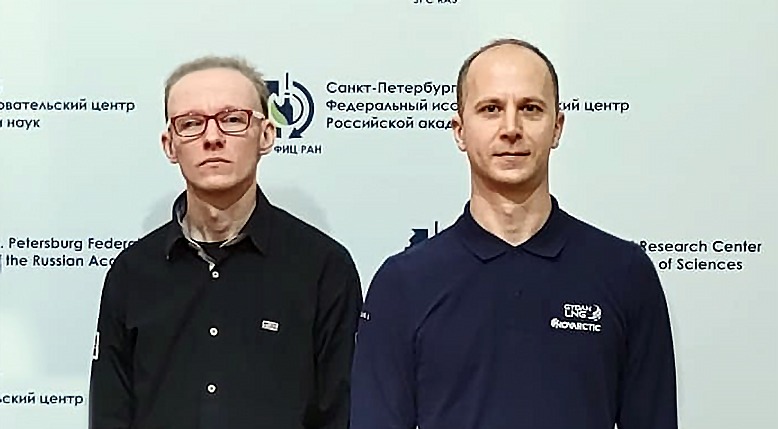
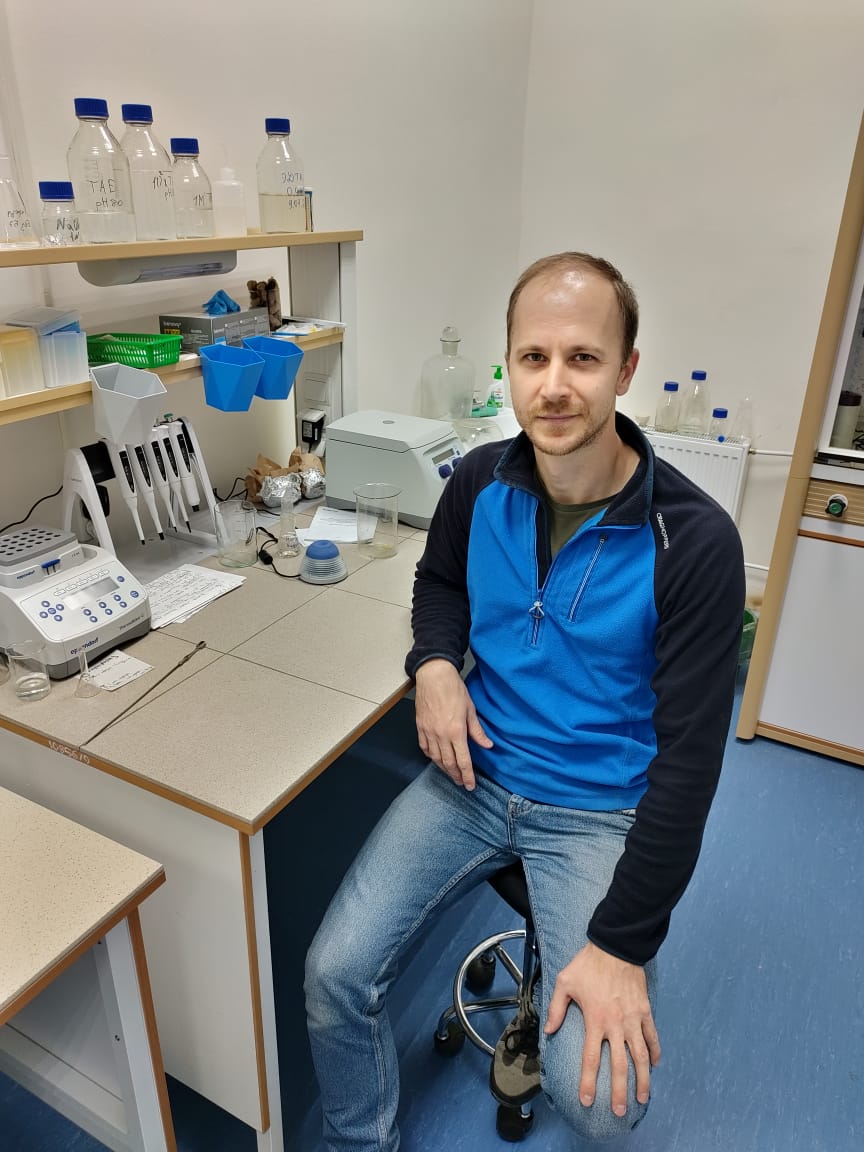
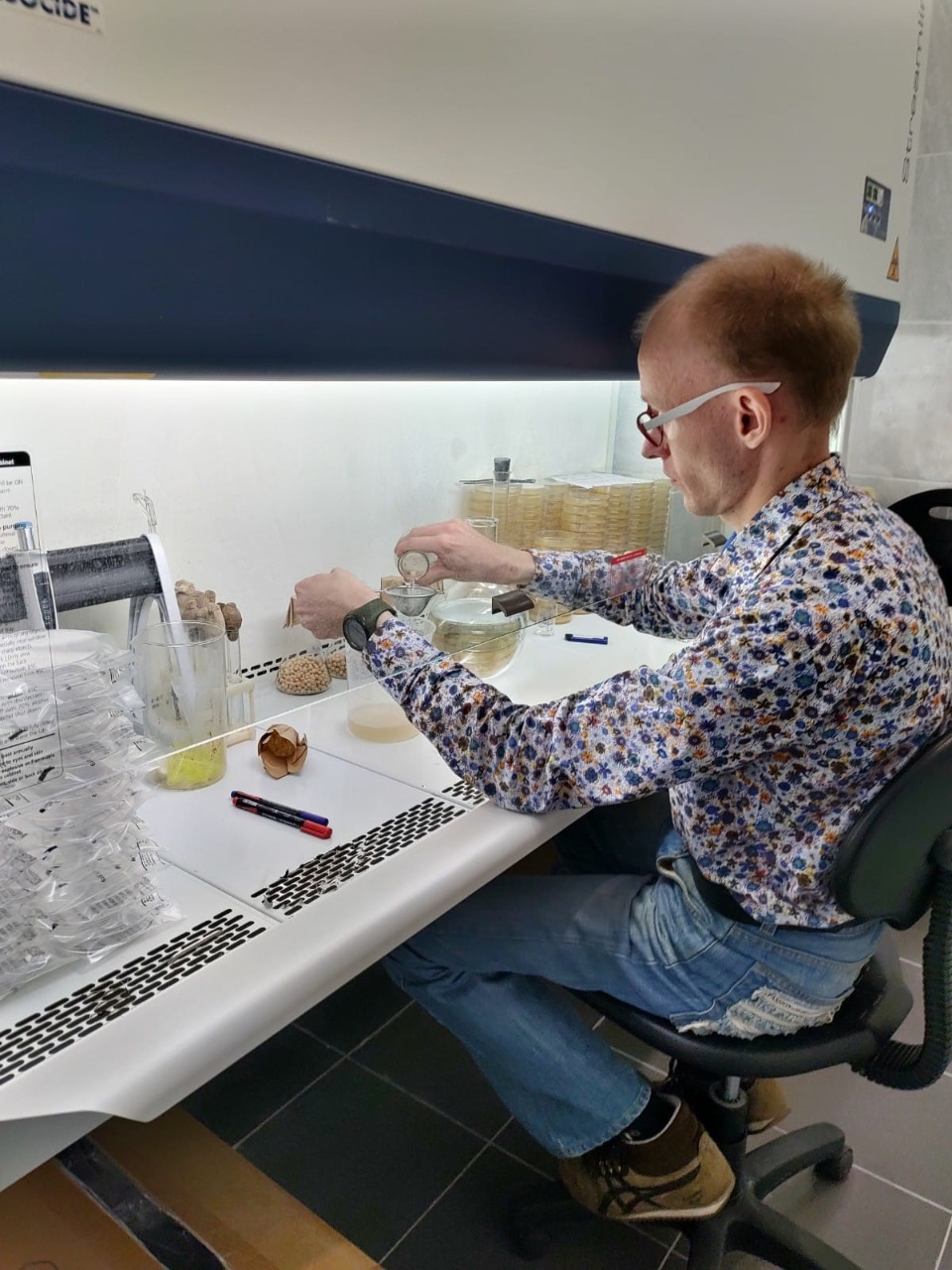
“We have developed a technique that allowed us to purify sapropels and isolate two fractions of organic compounds – humic and fulvic acids. Today, these substances are widely used as the basis for dietary supplements that increase the yield of plant symbiocultures,” says Jan Puhalsky, a junior researcher at St. Petersburg's FIT RAS.
The samples for the study were collected during expeditions that have been conducted over the past two years on lakes in the Pskov region under the leadership of Alexey Mityukov, a leading researcher at the Laboratory of Complex Problems of Limnology of the St. Petersburg Institute of Physics and Technology of the Russian Academy of Sciences.
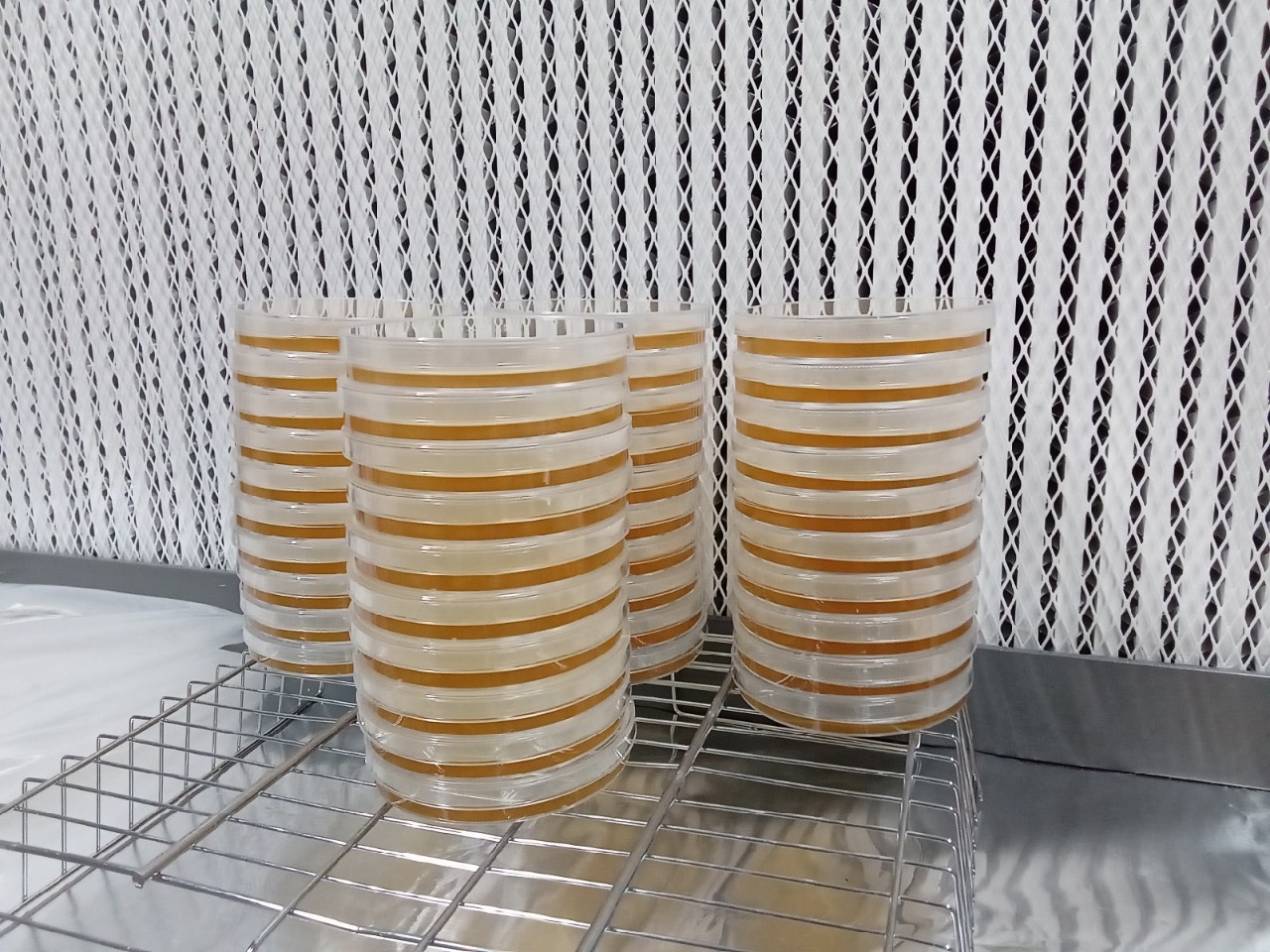
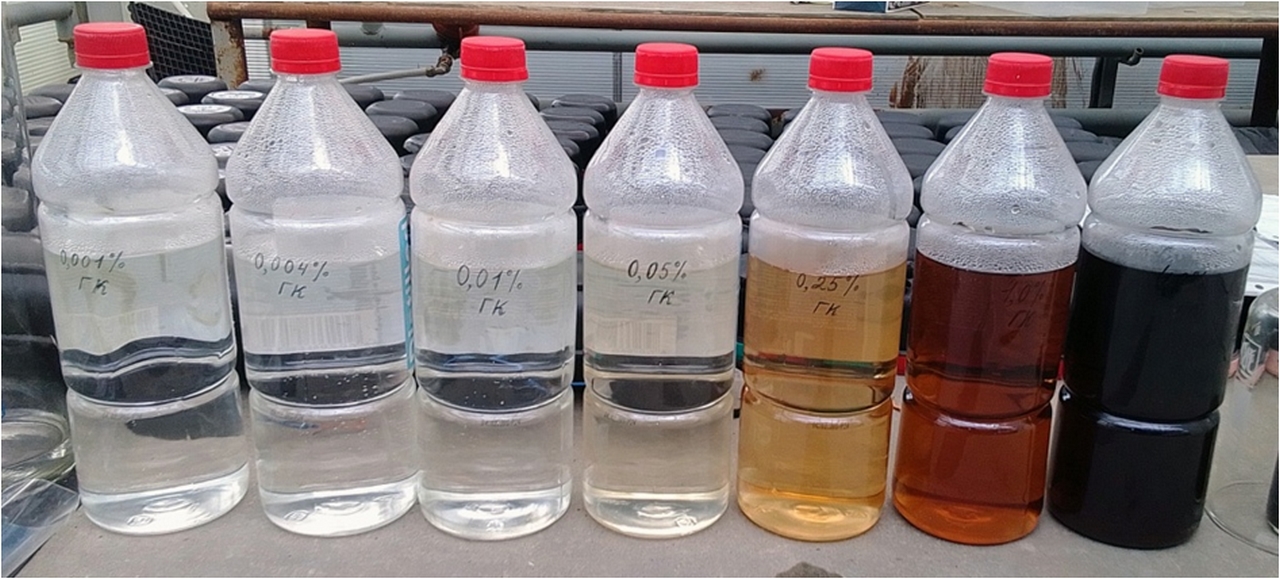
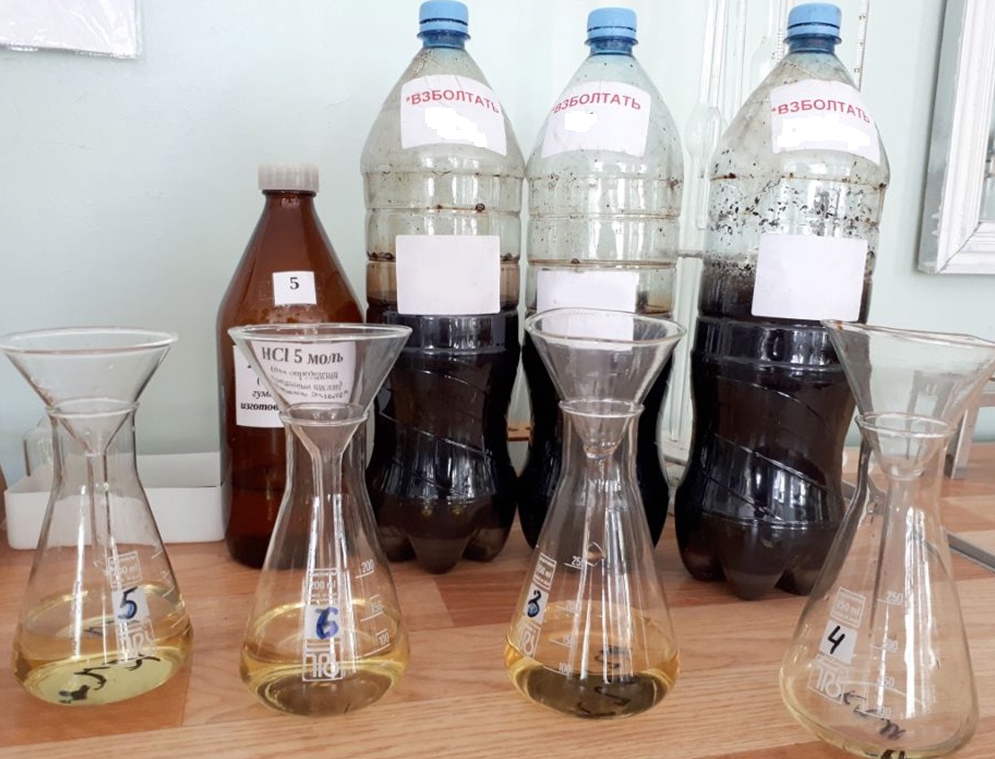
Researchers have developed a special technology to isolate useful substances from sapropel samples collected during expeditions. At first, the samples were cleaned of impurities using an ultrasound machine created earlier by scientists of the St. Petersburg Institute of Physics and Technology of the Russian Academy of Sciences. Then the excess components were separated using a sequential series of acid-base extraction (scientists used a mixture of pyrophosphate, sulfuric acid and nitric acid in a certain ratio). The result was fractions of humic and fulvic acids, for which the researchers conducted complete elemental and biochemical analyses.
The results of this work showed that the carbon content - this indicator is one of the main utility parameters in the creation of additives to increase productivity – in humic acids obtained from sapropel is about 28%. While similar technologies, with the help of which humic acids are actively synthesized from wood, coal and peat today, demonstrate carbon concentration at a level ranging from 18 to 20%.
“Thus, we offer a technology for obtaining more efficient raw materials for indoor and outdoor crop production. The fund of sapropel deposits in reservoirs only in the North-West of Russia is very large, but by now it has either been abandoned or is still poorly developed. Its extraction is not only of commercial interest, but also in many cases serves as an environmental protection (ecological) measure that allows to clean and deepen the lake bath,” said Svyatoslav Loskutov, a researcher at the Laboratory of Hydrochemistry of St. Petersburg SPC RAS.
The research results were presented at the VII International Conference on Humic Innovative Technologies "Humic substances and Survival Technologies" (HIT–2022).
Reference on the volume of sapropel in the lakes of the North-West of the Russian Federation: According to scientists of St. Petersburg FIT RAS, according to preliminary data, there are more than 3 million cubic meters of sapropel in the lakes of the Novgorod region alone, in the Leningrad region in the Pskov region - almost 2 million cubic meters, in the Pskov region - more than 8 million cubic meters.
Sapropel (Greek "clay silt") is a bottom sediment that is formed from the remains of various living organisms (plants and plankton). These substances have a number of properties that have a positive effect on crop productivity. The benefits of sapropel are that it contains a number of important organic compounds of a diverse chemical nature to improve plant metabolism and nutrition of microorganisms in the soil, including humic acids and fulvic acids. These two fractions contain vitamins, trace elements and other biologically active substances of a hormone-like type.
However, untreated bottom sediments can create a special film that prevents oxygen from entering the ground, which leads to plant degradation, and the area begins to waterlog. Therefore, for the effective use of sapropels, they must be thoroughly cleaned of various kinds of impurities.
“We have developed a technique that allowed us to purify sapropels and isolate two fractions of organic compounds – humic and fulvic acids. Today, these substances are widely used as the basis for dietary supplements that increase the yield of plant symbiocultures,” says Jan Puhalsky, a junior researcher at St. Petersburg's FIT RAS.
The samples for the study were collected during expeditions that have been conducted over the past two years on lakes in the Pskov region under the leadership of Alexey Mityukov, a leading researcher at the Laboratory of Complex Problems of Limnology of the St. Petersburg Institute of Physics and Technology of the Russian Academy of Sciences.
Researchers have developed a special technology to isolate useful substances from sapropel samples collected during expeditions. At first, the samples were cleaned of impurities using an ultrasound machine created earlier by scientists of the St. Petersburg Institute of Physics and Technology of the Russian Academy of Sciences. Then the excess components were separated using a sequential series of acid-base extraction (scientists used a mixture of pyrophosphate, sulfuric acid and nitric acid in a certain ratio). The result was fractions of humic and fulvic acids, for which the researchers conducted complete elemental and biochemical analyses.
The results of this work showed that the carbon content - this indicator is one of the main utility parameters in the creation of additives to increase productivity – in humic acids obtained from sapropel is about 28%. While similar technologies, with the help of which humic acids are actively synthesized from wood, coal and peat today, demonstrate carbon concentration at a level ranging from 18 to 20%.
“Thus, we offer a technology for obtaining more efficient raw materials for indoor and outdoor crop production. The fund of sapropel deposits in reservoirs only in the North-West of Russia is very large, but by now it has either been abandoned or is still poorly developed. Its extraction is not only of commercial interest, but also in many cases serves as an environmental protection (ecological) measure that allows to clean and deepen the lake bath,” said Svyatoslav Loskutov, a researcher at the Laboratory of Hydrochemistry of St. Petersburg SPC RAS.
The research results were presented at the VII International Conference on Humic Innovative Technologies "Humic substances and Survival Technologies" (HIT–2022).
Reference on the volume of sapropel in the lakes of the North-West of the Russian Federation: According to scientists of St. Petersburg FIT RAS, according to preliminary data, there are more than 3 million cubic meters of sapropel in the lakes of the Novgorod region alone, in the Leningrad region in the Pskov region - almost 2 million cubic meters, in the Pskov region - more than 8 million cubic meters.
// images